
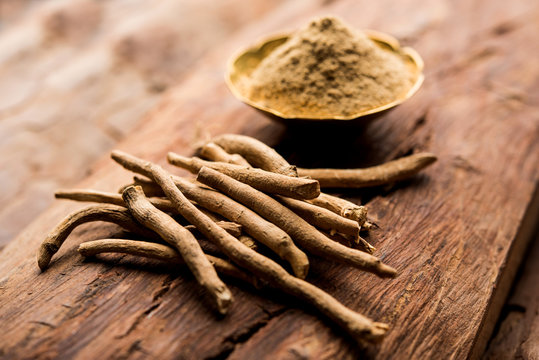
Actually, I am deep in the wellness rabbit hole. However, this specific news genuinely shook me. We all know ashwagandha as a popular adaptogen. For instance, it supposedly fixes stress and sleep. Consequently, it appears in almost every supplement on Instagram. Yet, influencers rarely mention one vital fact. In India, the leaves are not legally allowed in supplements. Specifically, the government only approves the root.
The Ancient Wisdom Behind the Ashwagandha Root
First, understand that ashwagandha is a small shrub. For thousands of years, Ayurvedic healers used only the root. This part provides the calming effects we crave. Conversely, the leaves tell a very different story. They can be harsh on the body.
In fact, traditional Ayurveda claims the leaves are too intense for daily use. As a result, healers left them out of traditional formulas. Modern Indian regulations keep this wisdom intact. Therefore, they mandate root-only products. They exclude leaves entirely.
The Reality of the US Supplement Market
Meanwhile, the US supplement world plays by different rules. Brands can throw the leaf into a product. Then, they slap “ashwagandha” on the label. Unfortunately, they often do this without clarifying the plant part.
Specifically, many big-name supplements use leaf extract. They often blend it with the root to save costs. Here are a few examples you might recognize:
- Sensoril®: This widely-used extract contains both root and leaf.
- New Chapter Ashwagandha Force: This product uses Sensoril. Therefore, it contains “aerial parts” like leaves.
- Doctor’s Best Ashwagandha: This formula includes both root and leaf.
- Life Extension Optimized Ashwagandha: This supplement uses Sensoril. Thus, it includes leaves.
- Nootropics Depot Sensoril: This is a combined root and leaf extract.
- Thorne Ashwagandha: This brand markets a “full-spectrum” formula. Consequently, it uses both parts.
To be fair, these brands are transparent. However, the bigger issue involves “no-name” brands. They often hide behind the term “ashwagandha extract.” Because leaves cost less, budget brands quietly switch them in.
Why Do Brands Use Leaves?
If tradition skips the leaves, why do modern brands use them? Primarily, two reasons exist. First, leaves offer a higher profit margin. They cost significantly less than roots. Second, leaves contain certain active compounds. Therefore, companies argue that leaves add benefit.
Nevertheless, Ayurveda figured this out a long time ago. When the country of origin says “skip the leaves,” we should listen.
How to Shop for High-Quality Ashwagandha
If you take ashwagandha, you must check your labels. Follow this easy cheat sheet:
- Look for “Root Extract”: This is the gold standard for safety.
- Avoid “Aerial Parts”: This term is code for leaves and stems.
- Search for KSM-66: Specifically, this is a highly-studied, root-only extract.
- Demand Transparency: If a brand hides the plant part, move on.
Tradition Matters in Wellness
Ultimately, I am not trying to scare you. Ashwagandha root has a beautiful history. Many people thrive on it. However, the wellness world often grabs a “cool” word without doing the homework.
The original practitioners knew exactly what they were doing. Consequently, when they say “root, not leaves,” we should follow their lead.
The Joulebody Standard
In addition to our other products, we use ashwagandha in our Good Feelings and Good Mood powders. We are very intentional about our sourcing. Quality and tradition matter to us. Specifically, we prioritize the cortisol support that only high-quality root extract provides.
If you want the mood lift you deserve, try our adaptogen powders. We do it the right way.