

Why PCOS is Being Renamed PMOS: Understanding the Root of Hormone Health
I have to share this story. It genuinely changed how I think about my body. Furthermore, it changed how I talk to my friends about their health. For decades, doctors used the name PCOS (Polycystic Ovary Syndrome). This name implies an “ovary problem.” However, that label misses the mark entirely. Recently, researchers began pushing for a new name: PMOS, or Polycystic Metabolic Syndrome. This shift matters deeply. It moves the focus from a single symptom to the actual biological source.
The Problem With the Name “PCOS”
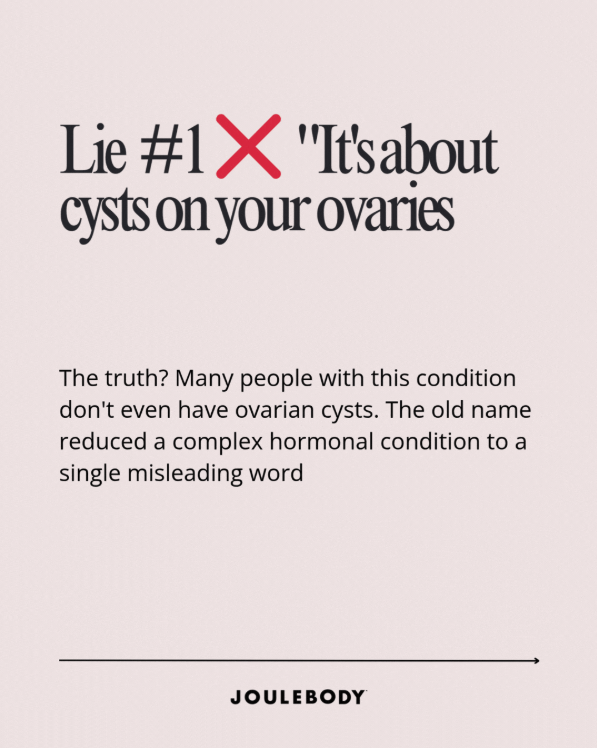
The old name focuses entirely on the ovaries. Consequently, patients believe that “cysts” are the primary culprit. In reality, the science tells a different story:
- They are not real cysts: Those small bumps are actually undeveloped follicles.
- The ovaries are reacting: Many women with a diagnosis have no “cysts” at all.
- The name is misleading: Therefore, focusing only on the ovaries ignores the systemic cause.
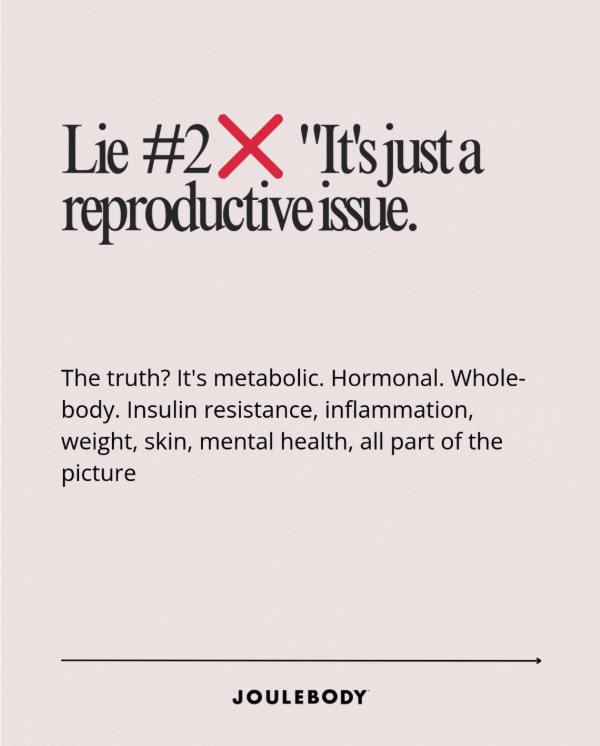
Most cases are not ovarian in origin. Instead, they are metabolic. Insulin resistance drives this condition for a huge percentage of women. Specifically, the hormones spiral because the metabolism is struggling. When we use the term “PCOS,” we only name a symptom. We ignore the root cause.
Why the “Metabolic” Reframe Changes Your Care
When you label this a metabolic syndrome, the treatment plan changes. For example, doctors might stop reaching for birth control as the only solution. Instead, they can prioritize blood sugar, inflammation, and lifestyle.
Consider my friend Tara. She took the pill for years to “fix” her cycle. However, no doctor ever ran a fasting insulin test. Eventually, she switched to a specialist who checked her levels. Her insulin was sky-high. Consequently, she made small diet tweaks and added walks after meals. Within six months, her cycle returned naturally. She addressed the root cause rather than masking it.
How to Advocate for Your Health: 3 Vital Tests
Do you suspect you have PMOS? If so, do not settle for a “wait and see” approach. Instead, ask your doctor for these specific data points:
- Fasting Insulin Test: Request this specifically. Doctors often only check glucose, which misses the early signs of insulin resistance.
- Inflammation Markers (hs-CRP): This test identifies systemic inflammation in the body.
- Full Thyroid Panel: Metabolic dysfunction and thyroid issues often travel together.
Lifestyle Changes Are Real Medicine
The “PMOS” label proves that daily habits are powerful tools. These three habits improve insulin sensitivity quickly:
- Post-Meal Movement: A 10-minute walk lowers blood sugar spikes effectively.
- Strength Training: Building muscle helps your body process insulin better.
- Quality Sleep: Deep rest is essential for hormonal balance.
You Are Not Broken
This shift is not about blame. Genetics and environment play massive roles. For instance, endocrine disruptors and chronic stress impact us all. However, a better name gives you more agency. You finally have a clear roadmap for your health.
Support Your Hormones with Joulebody
I built Joulebody to help women navigate these metabolic shifts. Our bites, bars, teas, and powders support your hormonal rhythm. We use clean ingredients that work with your body’s chemistry.
If you are navigating PMOS, browse our line today. Your future self will thank you for the support.
→ Shop Joulebody and start feeding your hormones what they actually need.